
KEY TAKEAWAYS
Chronic stress affects the whole body. It can disrupt sleep, digestion, immunity, mood, and the body’s ability to recover.
The body needs both action and recovery. The stress response is helpful in short bursts, but staying in “fight-or-flight” can leave the body feeling constantly on high alert.
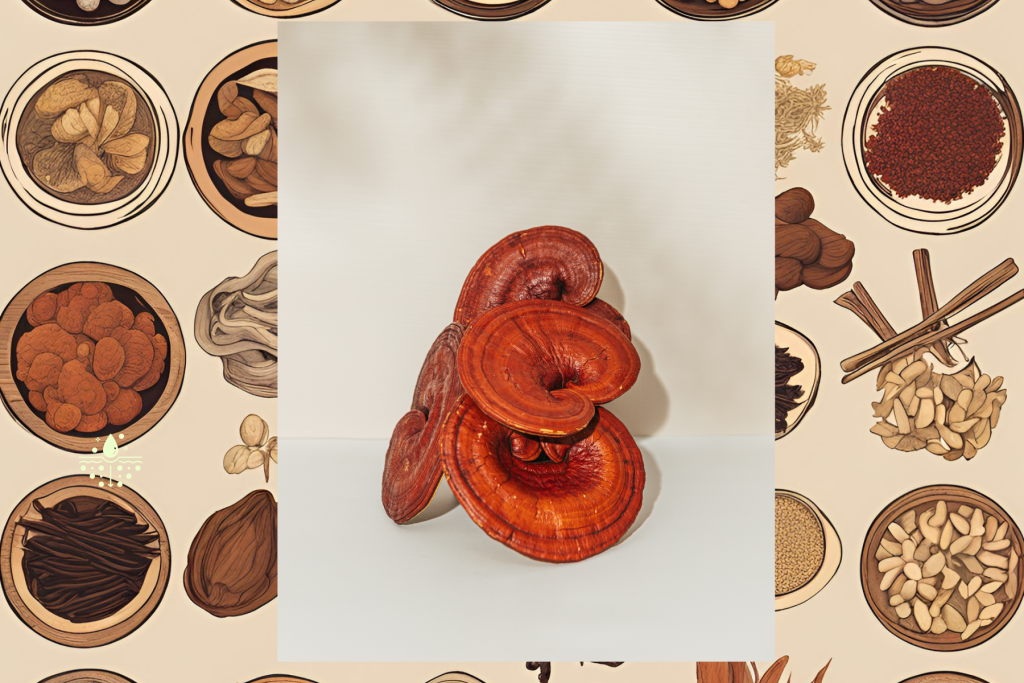
Reishi may offer complementary support. Reishi is used traditionally in TCM to calm the nervous system and support energy.
Stress is a normal part of life. A busy day, an important deadline, a difficult conversation, and even positive things like a new relationship or a new job can all trigger the body’s natural stress response. In short bursts, this response can be helpful. It increases alertness, raises energy, and prepares the body to respond to a challenge.
The problem begins when stress does not switch off. When the body remains in a state of heightened stress for weeks, months, or even years, it can begin to affect many aspects of health. Sleep may become harder, digestion may become unsettled, immunity may suffer, and mood can become more difficult to regulate. In other words, chronic stress can affect the whole person, not just the mind.
When the Stress Response Stays “On”
When the body senses stress, information is sent to areas of the brain, which then tell the rest of the body to react with changes to breathing, heartrate, blood pressure, muscle tension, and more. This is done through the autonomic nervous system, which has two components: the sympathetic and parasympathetic nervous systems. It’s the sympathetic nervous system (SNS) that triggers the fight-or-flight response, pumping adrenaline into the bloodstream.
This is super helpful when you need more blood to be supplied to the heart and muscles, more oxygen to get to the brain and all the systems, and the release of blood sugar from its storage places so you have more fuel. If the stressor endures, your body releases cortisol to keep the body going and still responding.
These hormones are designed to help the body deal with immediate challenges. Once the challenge has passed, the body should gradually return to a calmer state.
With ongoing stress, however, that recovery may not happen as easily. The nervous system can remain on high alert, affecting sleep, metabolism, immune function, digestion, mood, and inflammatory processes.
This can create a frustrating cycle. Poor sleep can make a person feel more stressed, while stress can make it harder to sleep. Digestive discomfort can add another layer of stress, and feeling constantly tired or overwhelmed can affect mood and motivation.
Stress and Sleep
One of the first places chronic stress often shows up is at night. A person may feel exhausted but find that the mind keeps going. You might recognize the feeling of “wired but tired.” Thoughts about work, family, finances, or tomorrow’s to-do list can make it difficult to fall asleep, cause frequent waking during the night, and make it hard to return to sleep.
Over time, insufficient or poor-quality sleep can affect concentration, emotional wellbeing, metabolism, and immune function. Sleep and stress can therefore become closely connected. Stress disrupts sleep, and inadequate sleep can make the body less resilient to stress.
Stress and Immunity
The immune system is also closely connected with the body’s stress response. Research has linked chronic stress with reduced immune responsiveness, impaired wound healing, and greater susceptibility to some infections.
Many of us can feel our immune systems become fragile when stress persists. Stress doesn’t make us catch a cold or flu, but it can weaken the immune response so that when a virus or bacteria presents itself, the body has a harder time defending itself.
Sometimes we feel, “Phew! Made it through without catching anything.” But then, when we finally feel a reprieve from our stressors, somehow that’s when we feel the throat tickle begin. Like getting sick after the last exam is done, after the move is complete, or after the work presentation is finished. This is called the “let-down effect,” as cortisol suddenly decreases and the underlying weakened immune system becomes exposed.
For others, it’s an overactive immune system that’s the problem. Those suffering from allergies or an autoimmune disorder learn quickly that their symptoms are worse when stress climbs.
Stress and Digestion
The brain and digestive system are in constant communication through the gut-brain connection. When the body is under stress, digestion can change. Some people notice more bloating, indigestion, changes in appetite, constipation, or loose stools during stressful periods.
We already learned about the sympathetic nervous system and its “fight-or-flight” response mode. The opposite is the parasympathetic nervous system, which calms the body. It is often nicknamed the “rest-and-digest” system. In fact, the gut produces more of the chemical messenger serotonin, which promotes feelings of calm and happiness, while also helping to control bowel movements and appetite. Stress can negatively affect all of this.
Stress and Mood
Living in a constant state of pressure can be emotionally draining. Chronic stress may contribute to irritability, anxiety, low mood, difficulty concentrating, and feelings of being overwhelmed.
The relationship between stress and mental health is complex and works in both directions. Stress can contribute to emotional difficulties, while anxiety and low mood can make everyday stress feel even harder to manage.
Where Does Reishi Fit In?
This is where an ancient medicinal mushroom enters the conversation. In Traditional Chinese Medicine (TCM), reishi is traditionally classified among herbs that calm the nervous system. This traditional perspective recognizes that physical health and emotional wellbeing are deeply interconnected.
Rather than viewing stress as something that exists only in the mind, TCM considers how prolonged emotional and physical strain can affect the body’s overall balance. Reishi has traditionally been used when someone feels depleted, restless, anxious, or unable to get enough restorative sleep, while also supporting energy and reducing fatigue.
Even better, reishi can also help with these specific symptoms affected by stress. It can help you get more restorative sleep, regulate the immune system, support digestive health, and help with mood resilience.
A More Balanced Approach to Stress
Stress is not always something that can be eliminated. Work, family responsibilities, caregiving, unexpected events, and everyday life will always bring challenges. The goal is to help the body move between activation and recovery rather than remaining stuck in high alert.
Traditional Chinese Medicine has recognized this principle for centuries. Modern science is increasingly showing just how interconnected the nervous system, immune system, digestive system, sleep, and emotional health really are.
For those looking to build greater resilience, reishi may be one supportive piece of a much bigger picture that includes rest, nourishment, connection, movement, and time to simply slow down.