

Key Takeaways
– Support your immune system before you leave
– Stay hydrated
– Prioritize Sleep
– Support your digestive system
– Move your body
– Manage travel stress
Whether you’re heading off on a summer vacation, business trip, or family visit, travel can take a toll on your health. Changes in sleep patterns, diet, time zones, and stress levels can weaken your immune system and leave you feeling run down.
Fortunately, a little preparation can go a long way. Here are some practical ways to support your health while travelling, including how Traditional Chinese Medicine (TCM) and medicinal mushrooms like reishi can help keep you feeling your best.
Support Your Immune System Before You Leave
One of the biggest mistakes travellers make is waiting until they feel sick before taking action. Building resilience before your trip can help your body better handle the stresses of travel.
In Traditional Chinese Medicine (TCM), maintaining strong Wei Qi (defensive energy) is essential for protecting the body from external pathogens, i.e., viruses, bacteria, and parasites. Supporting your immune system with adequate sleep, healthy nutrition, regular exercise, and stress management in the weeks leading up to your trip can make a significant difference.
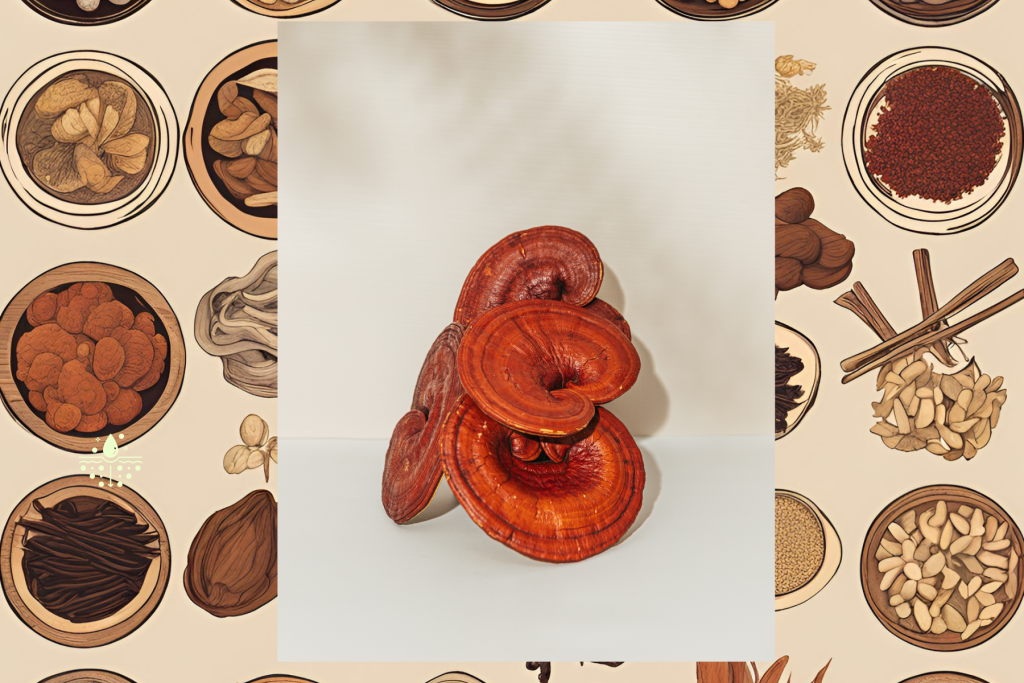
Many travellers also choose to include herbs such as reishi mushroom as part of their wellness routine.
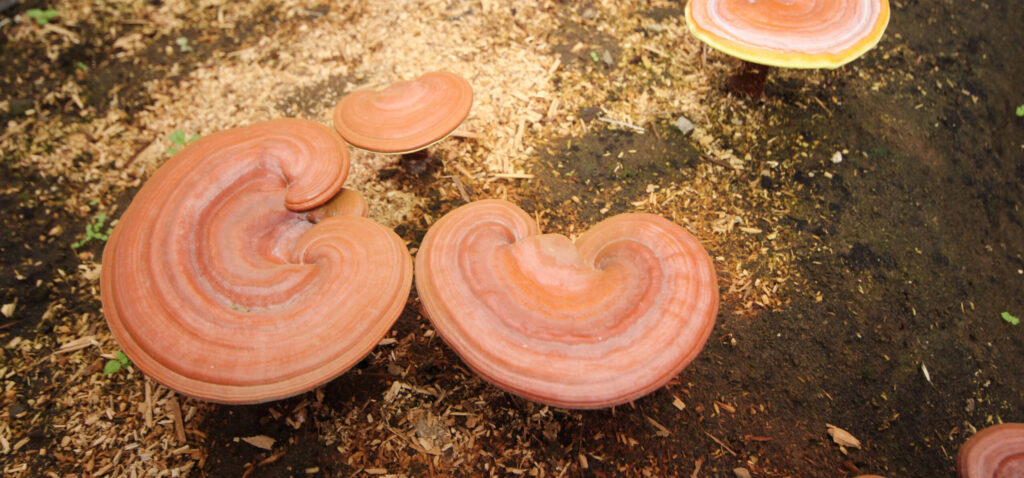
Reishi: The Traveler’s Wellness Mushroom
Known as the “Mushroom of Immortality,” reishi (Ganoderma lucidum) has been used for thousands of years to support overall wellness. Modern research suggests reishi may help:
- Support healthy immune function
- Promote relaxation and stress resilience
- Encourage restful sleep
- Help the body adapt to physical and mental stress
Because travel often involves long days, stressful airports and other transit hubs, disrupted schedules, changes in diet, and increased exposure to germs, many people find reishi supplements a valuable addition to their travel health toolkit.
Stay Hydrated
Airplane cabins are often drier than a desert, and dehydration can contribute to fatigue and headaches. It can also increase your susceptibility to illness, as drying the mucosal linings of your nose and throat makes them unable to effectively trap and eliminate viruses and bacteria. Add that you’re sitting in close proximity to a lot of people and you have an ideal situation for catching a cold.
Try to make sure you stay well hydrated on the plane. Bring an empty bottle that you can refill so that you don’t have to keep asking for those tiny cups of water. Plus, if you hit some turbulence, you won’t need to worry as much about spilling everywhere if you can lid your bottle instead of trying to balance an open cup or glass.
In addition, wherever you go, knowing whether the tap water is safe to drink, particularly as you’ll need to hydrate more when it’s hot outside, will help save you from some travel digestive woes.
Prioritize Sleep
Poor sleep can quickly derail a vacation. Jet lag, unfamiliar environments, and disrupted schedules can leave you exhausted and affect your immune function.
To improve sleep while travelling:
- Adjust your schedule gradually before crossing time zones, if possible.
- Try to get on a regular sleep/wake schedule quickly upon arrival.
- Get natural sunlight upon arrival.
- Avoid large meals and excessive alcohol before bedtime.
- Consider relaxation practices such as meditation or breathing exercises.
- Bring a sleep mask, ear plugs, your own pillow, or other sleep support.
- Install a white noise app on your phone, if that helps you snooze.
Many travellers appreciate reishi’s calming properties, making it a popular supplement for promoting relaxation and healthy sleep during travel. Plus, it won’t make you feel drowsy the next day.
Support Your Digestive System
Trying new foods is one of the great pleasures of going somewhere different, but sudden dietary changes can challenge digestion. Many people find bowel regularity difficult when they travel. Others get sick from eating contaminated foods. And, those with sensitive stomachs or digestive issues find eating particularly troublesome when they can’t find foods their bodies can handle.
Some simple strategies include:
- Eat slowly, chew well, and try to be fairly regular with mealtimes.
- Include fruits and vegetables daily but be careful about salads and juices when travelling to places where contamination is common. Get those whole and peel them or wash them yourself using disinfected or bottled water.
- Avoid overeating, particularly at buffets, where that can be even more tempting.
- Carry healthy snacks that you know will carry you over, if you have a hard time.
- Listen to your body’s hunger and fullness signals.
- Bring some digestive enzymes, ginger chews or pills, and other digestive supports, if you know you’re likely to have challenges.
In TCM, digestive health is considered central to overall vitality and energy. Supporting digestion can help you feel energized throughout your trip. Remember too that stress can further aggravate digestive problems, so reishi may help settle you for some “rest and digest” instead of “fight or flight.”
Move Your Body
Long periods of sitting can leave you stiff, tired, and uncomfortable. Fortunately, many people find they actually walk more when they are travelling. However, it’s in the getting there that we’re sometimes stuck sitting for too long. Stand up and stretch regularly. If you’re driving, make regular pitstops.
In addition, keeping active when travelling can be part of the fun!
- Walk whenever possible.
- You might even find cycling, skateboarding, rollerblading, rowing, kayaking, or other active way of getting around is a fantastic way to explore your destination.
- If your hotel has a gym or pool, consider keeping exercise part of your routine.
- You might find some places where you can join the locals in their movement activities. Some examples include tai chi in the park, dances at festivals or other gatherings, or a game of soccer or beach volleyball.
Movement improves circulation, reduces stiffness, and helps regulate energy levels. Exercise also regularly shows up in research as one of the best ways to improve mood, reduce anxiety and depression, improve immune function, and support overall health.
Manage Travel Stress
Even enjoyable trips can be stressful. Delays, crowded airports, language barriers, and packed itineraries can increase tension and fatigue.
- Build flexibility into your schedule. Unplanned and unpredictable things happen often, so it’s helpful to avoid being overly rigid with your plans and expectations. If (when) things go sideways, having a backup plan or flexibility can ease your stress.
- Practice mindfulness, breathwork, or meditation. Even if that’s not part of your regular practice, you might find starting it when you’re out of your usual routine carries through to your everyday life when you return home.
- Avoid the temptation to over-schedule every day. Not every moment needs to be filled with something epic.
TCM emphasizes balance and adaptability. Creating space for rest and recovery can make your travel experience far more enjoyable. Once again, reishi may be of service. It is classified in TCM as an herb that calms the nervous system, but it is also helpful to support calm energy and reduce fatigue.
Travel Well, Return Well
Travel should leave you feeling enriched, inspired, and energized, not exhausted. By supporting your immune system, staying hydrated, prioritizing sleep, managing stress, and considering wellness tools like reishi mushroom supplements, you can help your body stay resilient throughout your journey.
Traditional Chinese Medicine has long emphasized prevention and maintaining balance. By applying these principles while traveling, you can enjoy your adventures while supporting your health every step of the way.