
Key Takeaways
Self-care doesn’t have to be elaborate. Small, consistent habits often have a greater impact on long-term health than occasional indulgences.
Support your body with simple daily choices. Reduce screen time, eat nourishing foods, spend time in nature, stay hydrated, and make time for joy.
Micro-moments matter. Even a few minutes of deep breathing, stretching, gratitude, or fresh air can help reset your nervous system.
Reishi can complement your wellness routine. Traditionally used in Chinese Medicine and recognized today as an adaptogen, high-quality reishi may help support the body’s response to stress, immune health, relaxation, and overall well-being. Look for supplements made from the fruiting body and rich in beneficial compounds like ganoderic acids.
Progress beats perfection. The best self-care routine is one that fits your life and is sustainable over time. Every small positive choice adds up.
When people hear the words “self-care,” they often picture spa days or expensive wellness retreats. While those things can certainly be enjoyable, true self-care is much simpler and much more important. Real self-care is about making small, consistent choices that help your body and mind function at their best.
While we might dream of soaking in a bubble bath or spending hours curled up with a good book, everyday life doesn’t always leave room for that. As a Dr. of Traditional Chinese Medicine, I often remind my patients that wellness isn’t always achieved through one big change or hours of personal time. It’s built through the small habits practiced regularly.
And by taking a few intentional moments each day, you may find you have more capacity to take care of the ones you love, work toward your life goals, or gain a skill or knowledge.
1. Start Your Morning Without Your Phone
Do you grab your phone as one of the first things you do when you wake up each morning? You may feel compelled to check your messages, see what emails came in, start planning your day, or even just scroll social media or play a game. Instead, why not build your day on a healthier foundation?
Try some mindful activities like gentle stretches, a few slow deep breaths, a meditation, reflections on gratitude, or even just simply sitting quietly with your morning tea, coffee, or water. Beginning your day with intention rather than information overload can help reduce stress and improve focus throughout the day.
2. Spend Time Outdoors
Nature has a remarkable ability to calm the nervous system. And, you don’t have to climb a mountain, hike deep into a forest, or swim in the ocean—unless you can!—to reap the benefits.
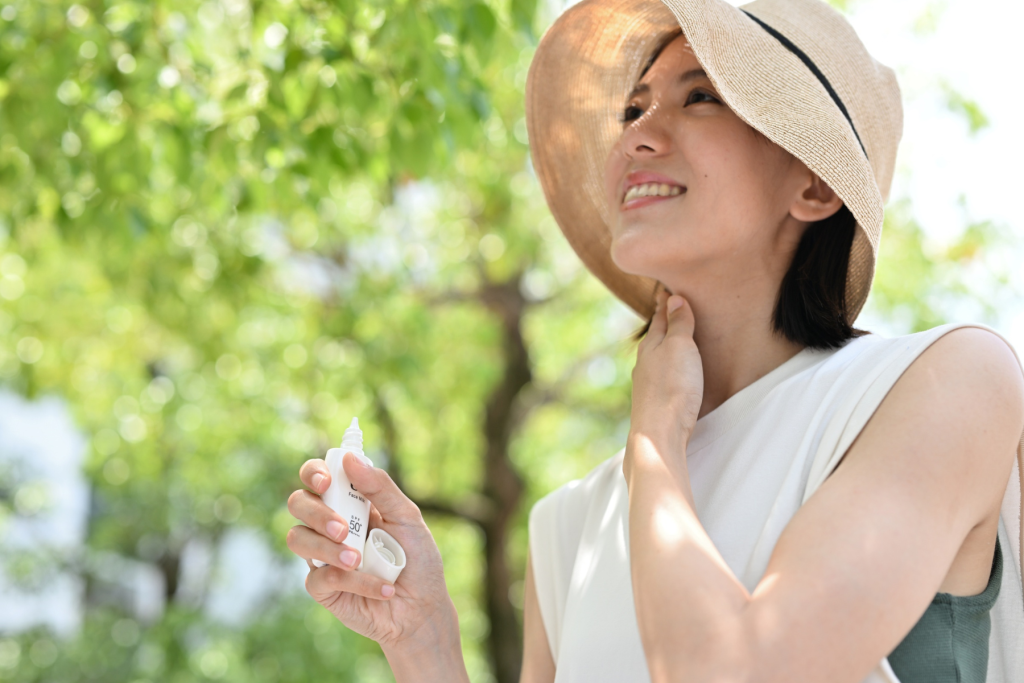
You can enjoy plenty of vitamin N for nature with a walk through your neighbourhood, sitting in a park, tending to your garden, or simply standing outside for a few minutes. The key is to do so mindfully while taking in the fresh air and natural light to reduce stress, clear your mind, boost your mood, and support overall well-being.
3. Nourish Your Body
Self-care includes choosing foods that support your energy and health. Most of us know that it’s important to eat a variety of colourful fruits and vegetables, quality protein, healthy fats, and whole grains whenever possible. You might also recognize that fresh is best. But that can feel challenging when you’re strapped for time, not feeling well, or when you’re exhausted.
Planning ahead by stocking up your freezer with some frozen fruit and vegetables for when you don’t have time to shop can help. Canned beans, canned fish (why not some sardines, mackerel, herring, or salmon, not just tuna?), pre-made stock, and pre-washed and even pre-cut vegetables can reduce your prep time, allowing you to make a healthy meal in a matter of minutes. Much better than a bowl of cereal for dinner!
You can also use a slow cooker or pressure cooker to do the work while you do other things. And leftovers are a delicious way to benefit from the work of your past self with little effort for your current self.
4. Try a Digital Sunset
Just as the sun sets each evening, consider letting your screens “set” before bedtime. Turn off phones, tablets, and computers at least thirty to sixty minutes before sleep to allow your brain to begin winding down naturally.
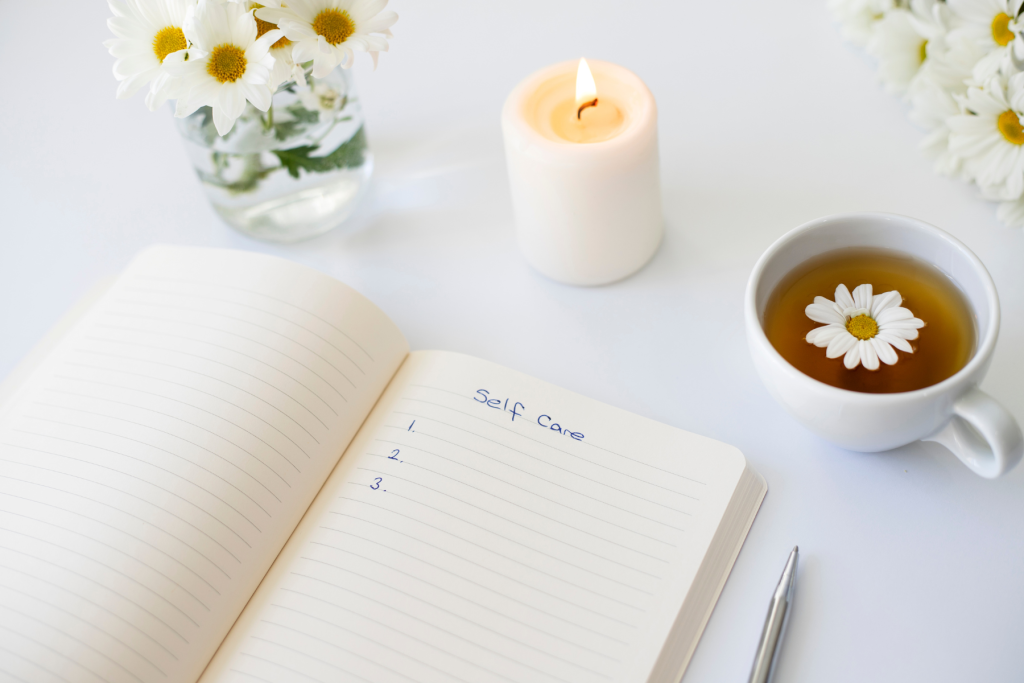
Just as we started this article recommending ways to start your day, you can do something similar in the evening. Replace screen time with reading, gentle stretching, journaling, or listening to calming music. Improving your evening routine can lead to better sleep quality, which is one of the most powerful forms of self-care.
These small moments help interrupt stress and remind us to reconnect with ourselves.
5. Make Time for Joy
One of the most overlooked aspects of wellness is simply doing things that make you happy. Sing a song, dance silly, paint, craft, cook a favourite meal, learn a new skill, play with your pet, or spend time with people who make you laugh.
And joy doesn’t depend on external things. It may also be feeling gratitude for the simplest things. It can be noticing the warmth of the cup of tea in your hands, expressing thanks to someone in your life, or listening to your favourite tune. The more we seek, the more we find. But it’s a practice.
6. Remember: Progress Over Perfection
It’s easy to feel like you’re not doing enough when it comes to your health, but wellness isn’t about being perfect. Some days you’ll have the time and energy for a long walk or a healthy homemade meal. Other days, self-care might simply mean getting to bed a little earlier or remembering to drink enough water.
Every positive choice adds up.
The best self-care routine is the one that fits your life and that you can maintain over time. By making small, sustainable changes and listening to your body’s needs, you’re investing in your long-term health, one day and one habit at a time.
7. Explore Adaptogenic Support
Many people are also exploring natural ways to help their bodies adapt to everyday stress. One traditional option that has continued to gain attention is reishi mushroom.
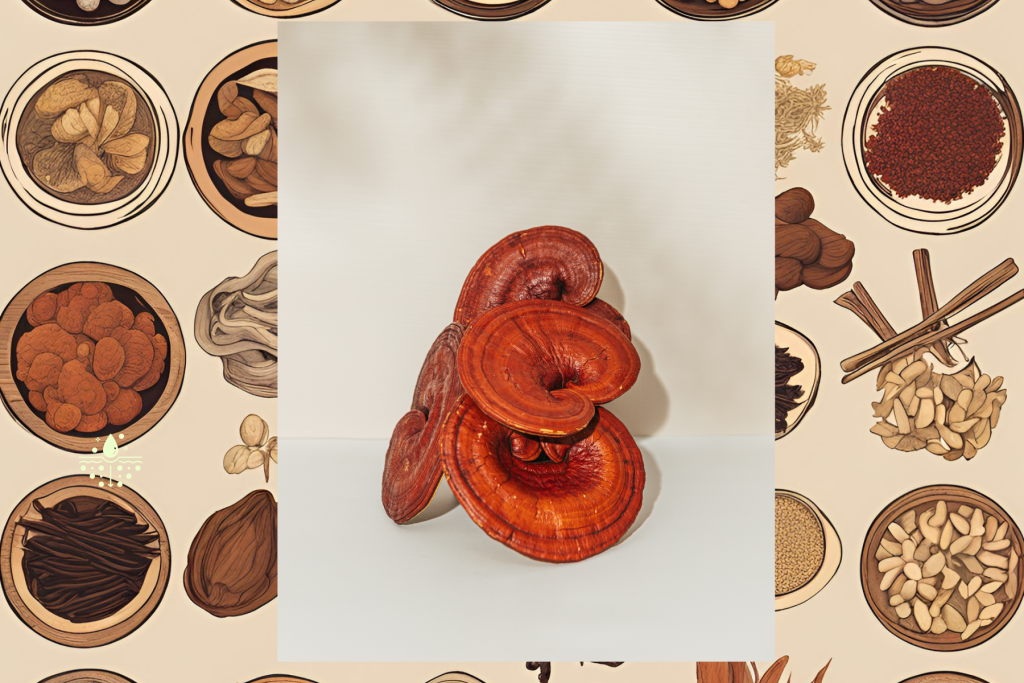
Used for centuries in Traditional Chinese Medicine, reishi is called “ling zhi,” which translates to “holy mushroom.” It was revered for its ability to calm the nervous system while also improving energy, strengthening the lungs and heart, supporting the kidneys, and nourishing the blood.
In the modern Western world, reishi is recognized as an adaptogen, a natural substance that may help the body respond to a wide range of physical and emotional stressors, which is not far off from the traditional understanding. Many now choose reishi supplements to support relaxation, immune health, and overall wellness as part of their daily routine.
As with any supplement, quality matters. If you want all the benefits of this particular herb, you’ll want to ensure you get the fruiting body (the stem and cap, not just the root-like mycelium) from a mushroom that is grown properly so that it is rich in its key medicinal compounds such as ganoderic acid.
Another thing that matters is dose. When you’re trying to find ways to do self-care without too much effort, it doesn’t get much easier than taking one capsule every day!
8. Practice “Micro-Moments” of Self-Care
Self-care doesn’t have to happen in hour-long blocks. In fact, some of the most effective habits take less than five minutes.
Consider trying one or two of these throughout your day:
- Take five slow, deep breaths before starting a meeting.
- Stand up and stretch every hour.
- Drink a glass of water before reaching for another cup of coffee.
- Write down three things you’re grateful for.
- Listen to your favourite song without multitasking.
- Step outside for two minutes of fresh air.
- Stop to say hello to someone in your community.
- And, of course, take one capsule of reishi mushroom daily.