
KEY TAKEAWAYS
Reishi mushrooms have adaptogenic properties that may help regulate hormones and reduce stress, which are critical factors for healthy fertility in both men and women.
Emerging research suggests reishi can support male fertility by improving sperm quality and protecting reproductive health.
Reishi’s immune-boosting and anti-inflammatory effects may enhance the uterine environment, potentially improving the chances of conception and a healthy pregnancy.
Incorporating medicinal mushrooms like reishi during pregnancy has been linked to improved health outcomes for both mother and baby in traditional practices, exemplified by the concept of “Buddha Babies.”
Consultation with healthcare professionals is important before starting any supplement regimen, especially during pregnancy.
The journey from conception to a healthy pregnancy is a complex and delicate process influenced by many biological, environmental, and lifestyle factors. Fertility challenges affect millions worldwide, prompting a growing interest in natural supplements and holistic approaches to support reproductive health. Among these, reishi mushrooms (Ganoderma lucidum) have gained attention for their potential to enhance fertility due to their adaptogenic, antioxidant, and immune-modulating properties.
Here we’ll dive into the science and traditional wisdom surrounding reishi supplements and their role in supporting male and female fertility, as well as healthy pregnancy outcomes. We’ll also explore recent research highlighting the benefits of medicinal mushrooms during pregnancy.
Understanding Fertility and Its Challenges
Fertility depends on a delicate balance of hormones, healthy reproductive organs, and a conducive environment for fertilization and implantation. Male fertility is primarily influenced by sperm count, motility, and morphology, while female fertility depends on ovulation regularity, hormone balance, and uterine receptivity.
Modern lifestyles, stress, environmental toxins, and underlying health conditions can disrupt these systems. For instance, oxidative stress can damage sperm DNA and reduce egg quality. Hormonal imbalances related to stress or inflammation can also impair reproductive function.
With about one in six adults around the world struggle with fertility issues at some point in their life, according to the World Health Organization (WHO), there is a growing interest in improving reproductive health through diet, lifestyle changes, and supplements, including reishi.
The Unique Properties of Reishi Mushrooms
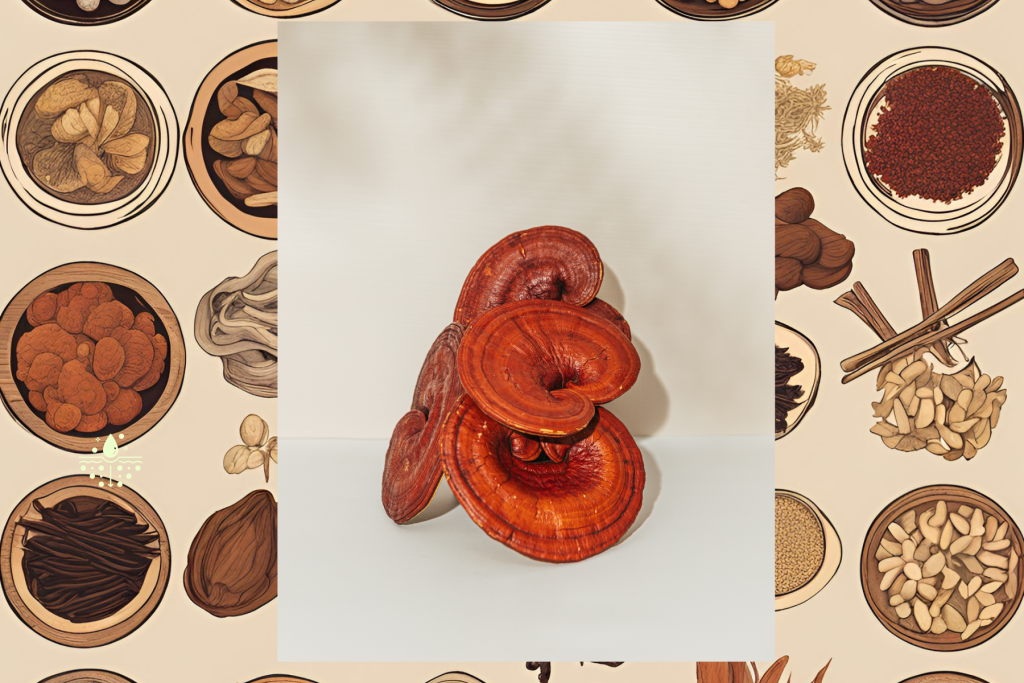
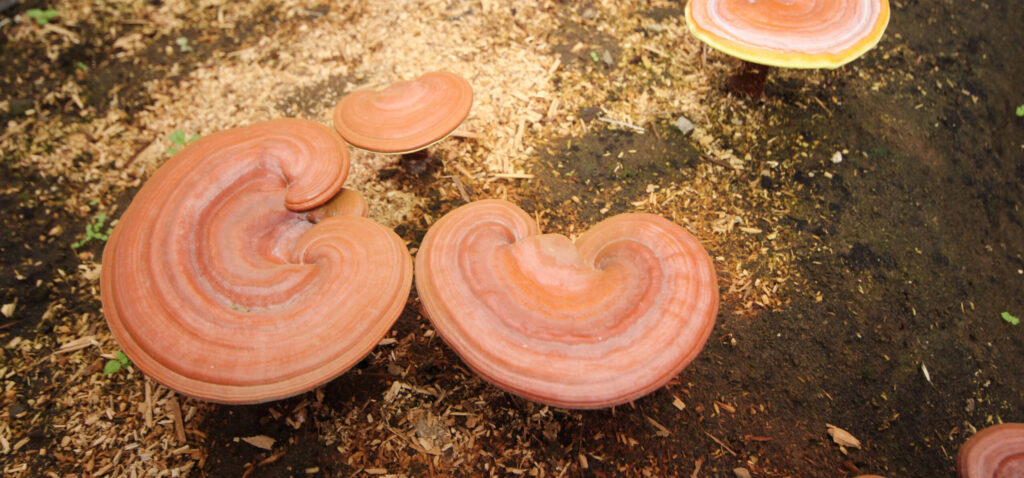
Reishi, known as the “mushroom of immortality” in Traditional Chinese Medicine (TCM), is celebrated for its diverse health benefits. Rich in bioactive compounds such as polysaccharides, triterpenoids, and antioxidants, reishi is known for:
- Helping manage physical and emotional stress (adaptogenic properties)
- Regulating immune responses (immune modulation properties)
- Reducing inflammation (anti-inflammatory properties)
- Combatting oxidative stress and protecting cells from damage (antioxidant properties)
These actions are particularly relevant for fertility because stress and inflammation can negatively affect reproductive hormones, gamete quality, and overall reproductive health.
Reishi and Male Fertility
Male fertility has been receiving increasing scientific attention, and medicinal mushrooms appear to be beneficial in this area. Although direct studies on reishi and male fertility are somewhat limited, Ganoderma lucidum compounds have demonstrated promising effects regarding sperm health.
In a 2022 study on mice, reishi was found to improve testicular structure and function in middle-aged male mice. It did so by relieving oxidative stress, supporting healthy mitochondria, and lowering cell death.
Reishi’s Role in Female Fertility and Hormonal Health
For women, fertility hinges on a finely tuned hormonal axis including the hypothalamus, pituitary, and ovaries. Stress-induced dysregulation can lead to menstrual irregularities and ovulatory issues.
Reishi’s adaptogenic properties may help regulate these hormonal pathways by easing stress and promoting balance. Additionally, anti-inflammatory effects can enhance embryo implantation by creating a more receptive uterine lining, while modulating the immune system may help the uterus allow implantation and provide tolerance for the growing of a fetus.
While research on reishi specifically for female fertility remains emerging, the mushroom’s general health benefits and safety profile make it a compelling candidate for preconception care.
From Fertility Support to Pregnancy
Beyond conception, nutritional support during pregnancy is vital for optimal maternal and fetal outcomes. Having said this, because there is insufficient evidence about the safety of reishi during pregnancy and breastfeeding (it’s tough to ethically do studies on pregnant women), supplementation during pregnancy should be approached cautiously and under professional guidance. Nonetheless, reishi has been used by pregnant women for centuries in Asia.
In fact, some people have called those babies born to parents who took reishi as “Buddha babies” or “reishi babies.” These newborns are said to exhibit calmness, good health, and a balanced temperament.
Whether this is true or not, the immunomodulatory and antioxidant compounds can support maternal immune tolerance to the fetus, promote healthy inflammatory responses essential for labour and healing, help address gestational diabetes, reduce stress, and improve sleep.