
Key Takeaways
Skin cancer prevention relies primarily on sun protection habits, including sunscreen application, protective clothing, and avoiding peak UV hours. Sun Awareness Month highlights these crucial behaviours.
Reishi mushroom (Ganoderma lucidum) has shown promising biological activities, including anti-inflammatory, antioxidant, and immune-modulating effects.
Emerging research suggests that reishi supplements might help prevent skin cancer by protecting skin cells from UV damage, reducing inflammation, and potentially inhibiting cancer cell growth.
While reishi should never replace traditional sun protection methods like sunscreen, it offers an exciting supplementary approach in integrative skin cancer prevention.
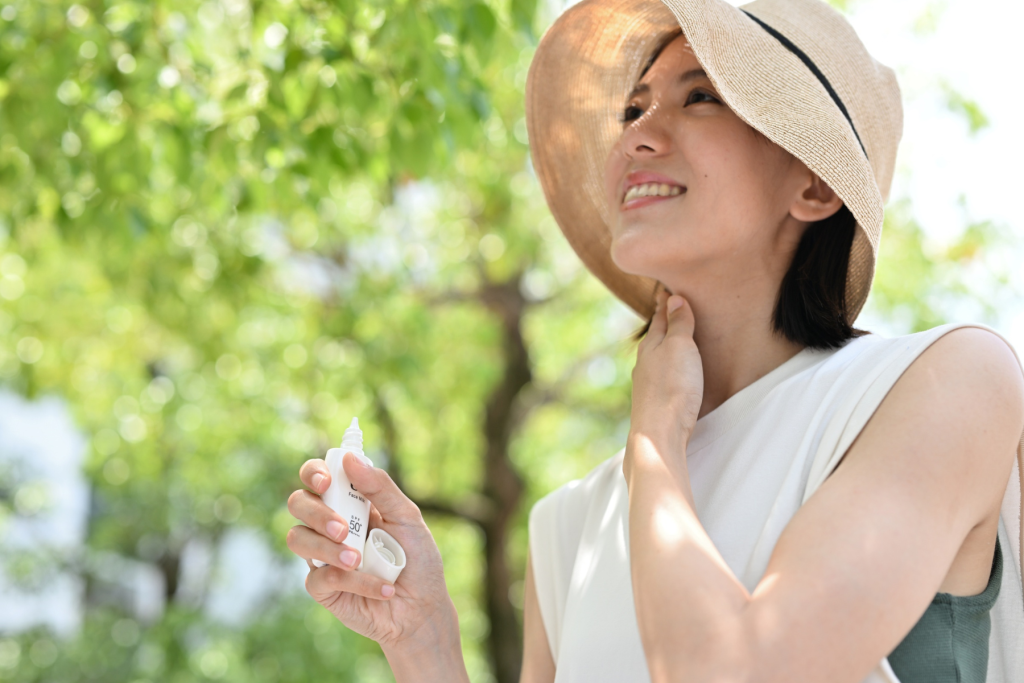
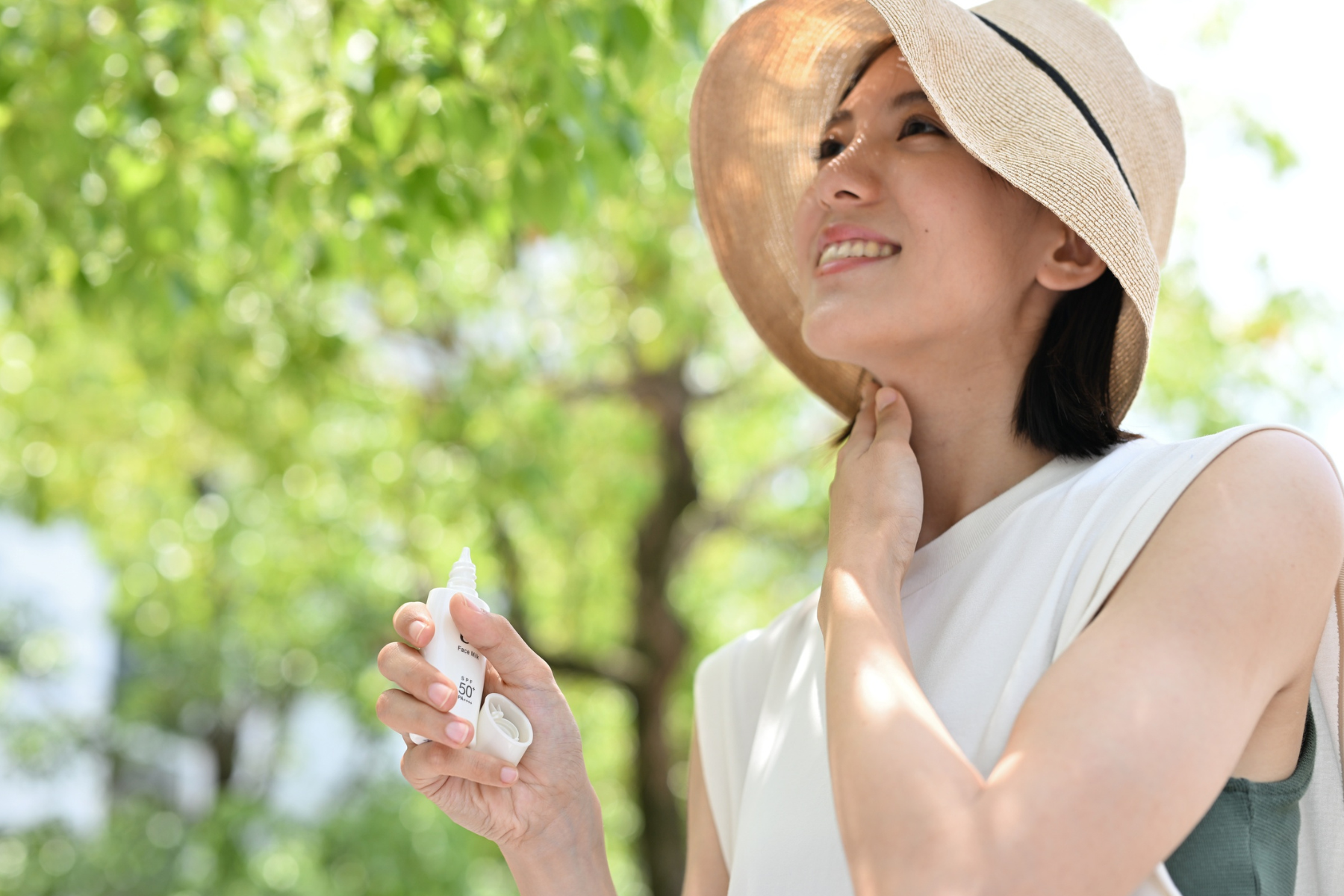
Every summer, dermatologists and health advocates emphasize the vital role of sunscreen in protecting against harmful ultraviolet (UV) rays, the primary catalyst for skin cancer. Skin cancer is the most common form of cancer globally, making prevention and early detection paramount. In Canada, for instance, Sun Awareness Month actively promotes behaviours such as daily sunscreen use, wearing UV-protective clothing, and seeking shade to minimize UV exposure and reduce cancer risk.
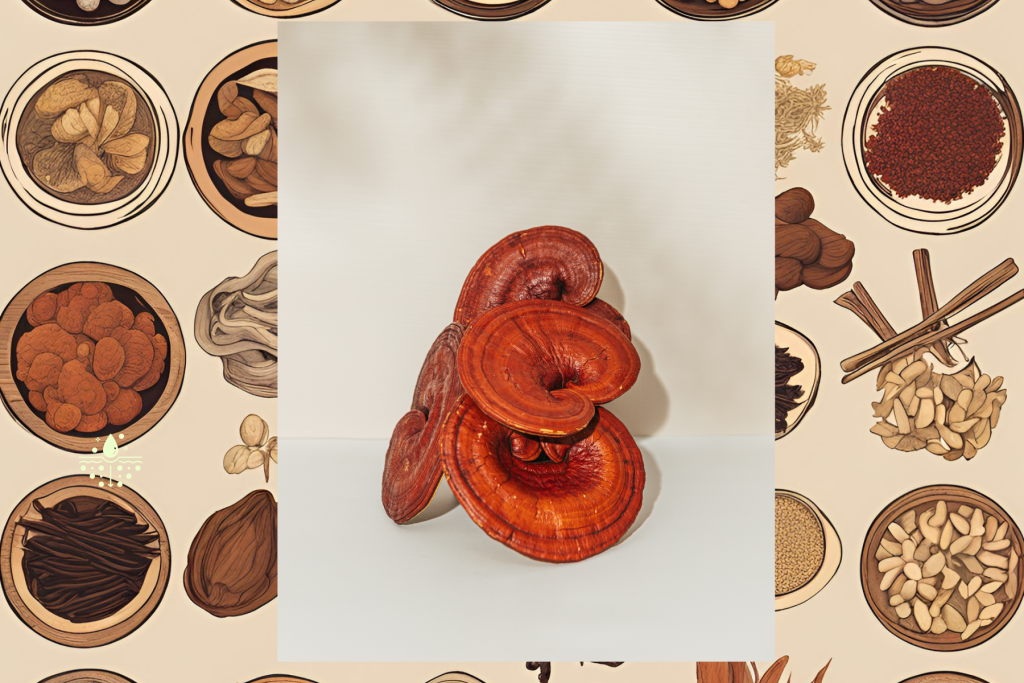
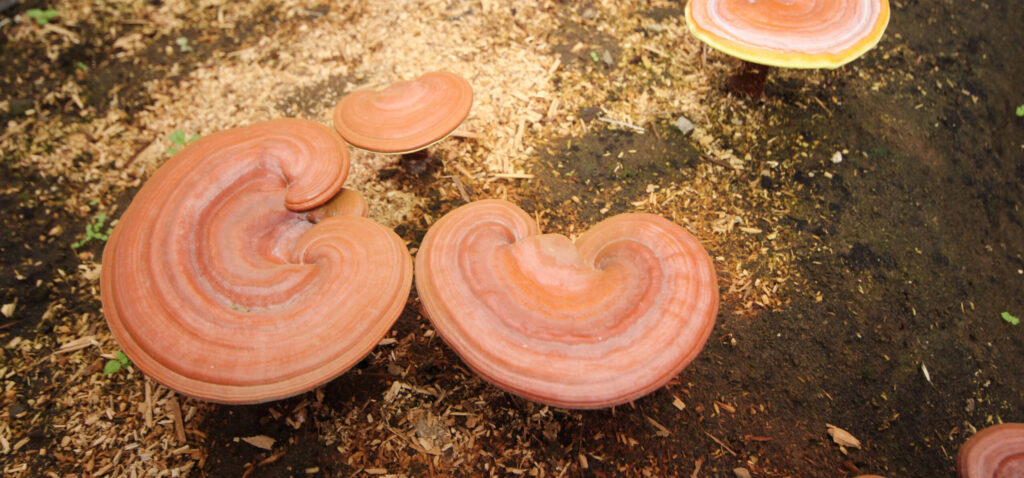
However, beyond these external physical barriers, modern research is exploring substances that may protect skin from within. One promising natural substance gaining attention is reishi mushroom (Ganoderma lucidum), widely known in Traditional Chinese Medicine (TCM) for its healing properties. Studies indicate that reishi supplements may be able to play a role in skin cancer prevention, complementing conventional sun protection strategies.
Understanding Skin Cancer and Its Risk Factors
UV radiation from sunlight and tanning devices is the primary cause of skin cancer, as it damages the DNA in skin cells. The three main types of skin cancer are:
- Basal cell carcinoma (BCC): The most common type of skin cancer, it is fortunately the least dangerous, but it does need to be treated, or it can continue to grow and cause more problems. It most commonly occurs on sun-exposed areas.
- Squamous cell carcinoma (SCC): The second most common type of skin cancer, it can develop from a “sunspot” (actinic keratosis), which is a scaly growth that can sometimes be felt before seen. They can occur anywhere on the body but are most likely on sun-exposed areas. They can also show up on people who are immunocompromised.
- Melanoma: Starting in the pigment-producing cells (called melanocytes), malignant melanoma has a high cure rate when caught in the early stages but it can be lethal if it spreads.
Checking your skin regularly is an important way that you can catch potential issues early. Know the “ABCDEs” of what to look for:
A = Asymmetry: Does the shape look different on one side than the other?
B = Border: Is the border irregular, ragged, or imprecise?
C = Colour: Is there colour variation within the lesion?
D = Diameter: Is it growing?
E = Evolution: Is it or has it been changing in size, shape, colour, or symptom (e.g., itching, bleeding, soreness)?
The Role of UV Radiation
UV light induces DNA mutations and generates reactive oxygen species (ROS), leading to oxidative stress, a key driver for cancer development. Chronic inflammation triggered by UV exposure worsens cell damage and can promote the progression of tumours.
Because of this, the cornerstone of prevention is minimizing UV damage through sun protection by:
- Applying broad-spectrum sunscreens regularly
- Wearing protective clothing and sunglasses
- Avoiding direct sun exposure during peak hours (10 a.m. – 4 p.m.)
- Seeking shade
Introduction to Reishi Mushroom
Reishi mushroom, called “ling zhi” in TCM, has been used for thousands of years. Its nickname is the “mushroom of immortality” because of its reputed health benefits.
Bioactive Components
- Polysaccharides: Known for immune-enhancing and anti-tumour effects
- Triterpenoids: Contribute antioxidant, anti-inflammatory, and anti-cancer properties
- Peptides and sterols: Support overall health and cellular function
These compounds collectively influence how the immune system responds to threats, including cancer cells.
Reishi Mushroom’s Biological Actions Relevant to Skin Health
There are several ways that reishi may help reduce the risk of developing skin cancer, and even the Memorial Sloan Kettering Cancer Center provides a comprehensive review of reishi mushrooms’ effects with scientific references.
1. Antioxidant Effects
Reishi’s triterpenoids and polysaccharides help scavenge free radicals and reduce oxidative stress. Because UV light can increase oxidative stress damage, leading to the development of cancer, antioxidants such as those from reishi mushrooms are one of the ways we can help protect ourselves.
2. Anti-Inflammatory Properties
Chronic inflammation in the skin can lead to increased tumour risk. Reishi has been shown to modulate inflammatory pathways, reducing cytokine production and inflammatory cell infiltration in tissues. This anti-inflammatory effect might minimize UV-induced skin inflammation and subsequent cancer development.
3. Immune System Modulation
Reishi supplements are known to stimulate immune cells, including natural killer (NK) cells and T lymphocytes, which play roles in recognizing and destroying abnormal or cancerous cells. Enhancing immune surveillance may help prevent mutated skin cells from proliferating into tumours.
4. Direct Anti-Cancer Activity
In laboratory studies, reishi extracts have demonstrated:
- Inhibition of cancer cell growth
- Induction of apoptosis (programmed cell death)
- Prevention of metastasis through suppression of angiogenesis (formation of new blood vessels that feed tumours)
While most research to date is in cell cultures or animal models, these findings suggest potential for reishi in controlling early cancerous changes and for using it preventatively.
Integrating Reishi into a Skin Cancer Prevention Strategy
Why not just rely on sunscreen?
Sunscreen remains the gold standard for blocking harmful UV rays, but:
- Sunscreens vary in efficacy and require frequent reapplication
- Some ingredients may cause skin irritation or allergies
- Sunscreen alone may not prevent all molecular damage
- Occupational or lifestyle factors sometimes make consistent sun avoidance challenging
Thus, complementing physical protection with biological support could enhance overall skin defence.
Lifestyle Recommendations for Skin Cancer Prevention
Alongside potential reishi supplementation, incorporating these habits is vital:
- Apply an SPR 30 or higher broad-spectrum sunscreen, even on cloudy days
- Wear wide-brimmed hats, UV-blocking sunglasses, and protective clothing
- Seek shade, especially during peak sunlight when UV radiation is strongest
- Avoid tanning beds, which emit dangerous UV radiation
- Perform regular skin checks for new or changing lesions, as early detection saves lives
- Eat a balanced diet with vegetables and fruit rich in antioxidants to support skin and immune health
- Stay hydrated to maintain skin moisture and resilience
Skin cancer prevention is a multifaceted challenge. While sunscreen and sun-safe behaviours remain essential, exploring natural supplements such as reishi mushroom offers a promising complementary approach. Its potent antioxidant, anti-inflammatory, and immune-modulating properties lay the groundwork for reducing UV-induced skin damage and potentially lowering cancer risk.
As research unfolds, integrating reishi supplements with traditional sun protection may enhance skin resilience and health. Meanwhile, during Sun Awareness Month and every day, make sure to include smart sun habits coupled with informed lifestyle choices.